If you’re anything like myself and the women I work with, you’ve spent years trying to do all the “right” things.
You prioritize protein, exercise consistently, read ingredient labels, and genuinely care about your health. Yet somewhere between your early twenties and now, something changed.
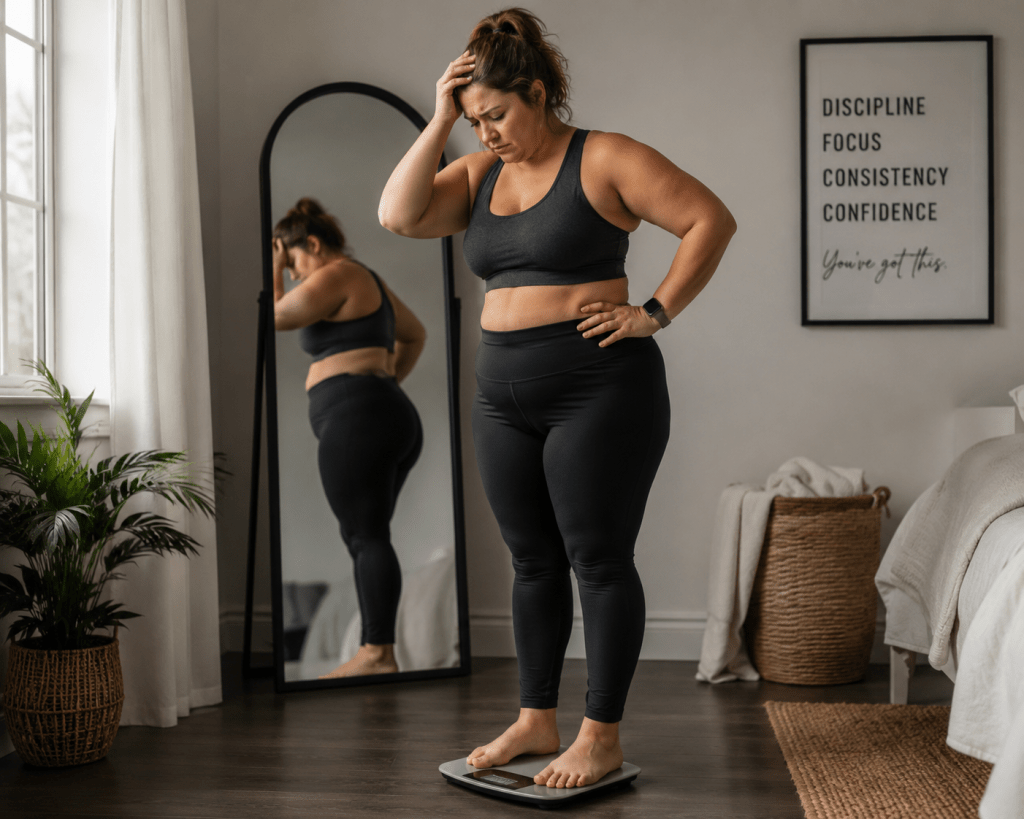
The weight that once came off effortlessly became much more stubborn, despite the fact that you’re probably putting more effort into your health than ever before.
Despite popular belief, many women in this situation don’t need another supplement, stricter diet, or more willpower. Sometimes they simply need to create enough space between meals for their body to do what it was designed to do.
That’s where fasting comes in.
Despite its recent popularity, fasting isn’t a new health trend. Humans have gone through periods without food for thousands of years. The difference is that modern life keeps many of us in a near-constant fed state, moving from breakfast to snacks to lunch to coffee to dinner without much of a break in between.
When I discovered hormonal-aligned fasting, it was the difference between night and day. Within a short period after beginning I instantly felt better. Smoother digestion, flatter stomach, more energy and focus. And within a couple months the pounds started to come off.
Research suggests that periods without food may support insulin sensitivity and metabolic flexibility—the body’s ability to efficiently switch between burning glucose and stored fat for energy. Many people also report steadier energy, fewer cravings, and less fixation on food once fasting becomes part of their routine.
For women, however, the conversation is a little more nuanced (being the more nuanced beings, of course).
Historically, much of the fasting research has been conducted in men, and women don’t always respond the same way to every fasting protocol. This is one reason educators like Dr. Mindy Pelz have popularized the idea of adjusting fasting practices around a woman’s cycle rather than applying the exact same approach every day.
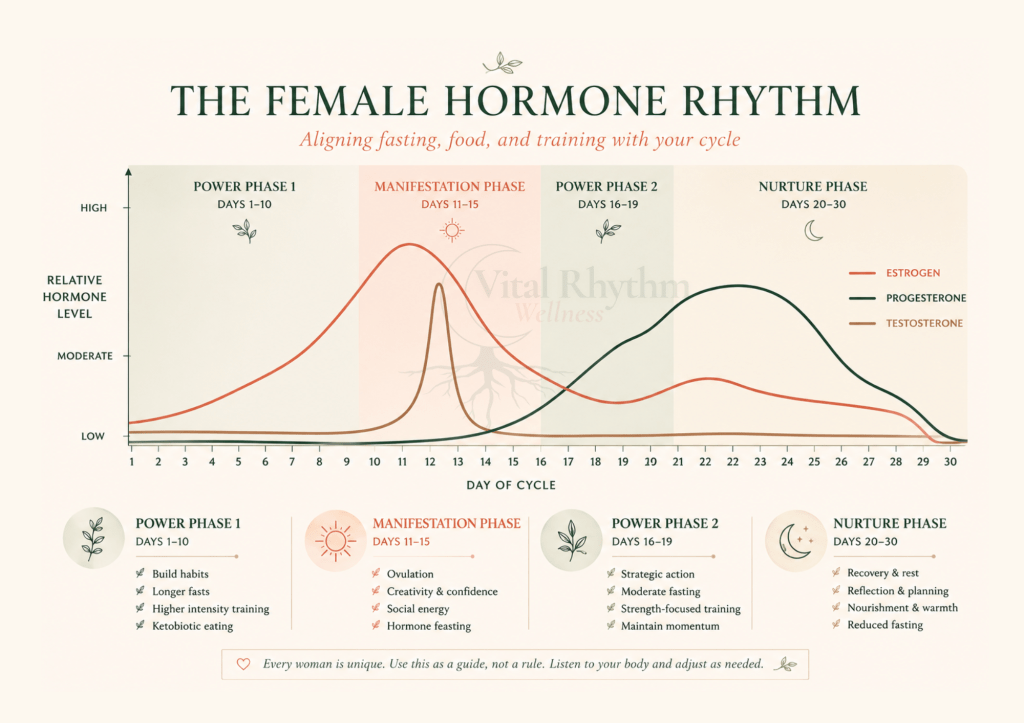
While more research is needed, many women find that fasting feels easier and more supportive during certain phases of their cycle, while other phases call for more nourishment and flexibility.
The key is remembering that fasting is a tool, not a challenge.
One of the biggest mistakes I see is women turning fasting into another way to push harder. The goal isn’t to see how long you can go without eating. The goal is to create a healthier relationship with hunger, improve metabolic resilience, and support your body in a sustainable way.
For many women, that can start with something as simple as finishing dinner earlier, skipping late-night snacks, and allowing 12–14 hours between dinner and breakfast.
Fasting isn’t magic, and it’s certainly not the answer to every health concern. But for women who feel like they’re doing everything right and still struggling with stubborn weight gain, bloating, low energy, or relentless cravings, it may be one of the most powerful tools they’ve yet to explore.
And unlike most health trends, it’s completely free.
Fasting strategies that you can implement today
- Stop eating dinner earlier. Aim to stop eating around 8 pm to allow your body some time to digest before resting.
- Upon waking, drink 8 oz of water with lemon. This stimulated digestion and encourages fat burning. Many who wake up with hunger find that it goes away about hydrating properly.
- Ask yourself these questions when hungry, Am I actually hungry or just:
- Bored
- Need some comfort
- Processing a strong emotion such as sadness or anger
- Dehydrated
- Feel like it’s the “time to eat”
- Distract yourself with physical activity: go for a walk in nature, ride your bike, do a simple yoga flow
- Drink some herbal tea. Plain herbal tea without sweeteners or milk are completely acceptable during a fast and can help satisfy the “comfort” urge that food normally provides.
 vitalrhythmwellness.com
Leave a comment